Level Marketing / Articles / Running a business
Online store marketing: sales from Instagram, Telegram and ads
In Uzbekistan most online stores run not on a website but on Instagram and Telegram: a customer sees a post, writes "how much?" in DMs and orders by chatting with a manager. In this model, online store marketing depends on three things: whether the profile works as a catalogue, whether ads reach the right people, and how fast and clearly sales happen in DMs. This article walks through all three with practical examples.
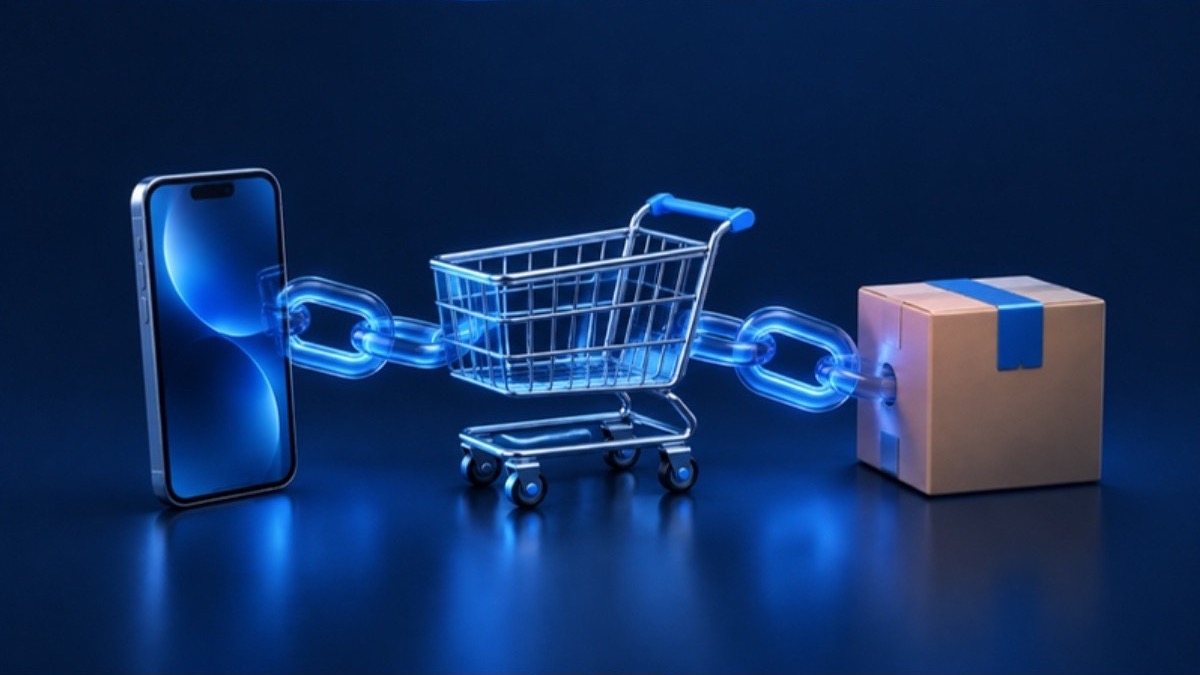
The online store sales chain
| Stage | What happens | What it depends on |
|---|---|---|
| View | Someone sees an ad or a Reel | Creative and audience |
| Interest | Opens the profile | Profile, prices, reviews |
| Contact | Writes in DMs or Telegram | Clarity of the offer |
| Order | Agrees with the manager | Reply speed, script |
| Delivery | Receives the product | Logistics, packaging |
| Return | Buys again or recommends | Service, database, offers |
People drop off at every stage. Before raising ad spend, find the stage with the biggest losses — what is a sales funnel helps with that.
Step 1. The profile is your shop window and catalogue
Customers don't walk into your store — they open your profile. It needs:
- One visual style — the feed should look like a catalogue, not a jumble of photos.
- Product cards — photo, key specs, price. Put the parameters buyers compare first.
- Price — openly, or at least "from…". A post without a price floods DMs with questions, and some customers leave without writing.
- Highlights: catalogue, prices, delivery, payment, reviews, warranty.
- Trust: real reviews, packing videos, the shop or warehouse address.
The TEH case shows how this works: we rebuilt a power tools store's profile in one brand style, presented each tool's specs as clear visual cards and ran lead and message campaigns — $7,000 of ad spend produced over $40,000 in online sales. Details — TEH case.
More on profiles that sell — Instagram profile that sells; on visual style — visual identity for small business.
Step 2. Content — show the product in action
A photo shows what a product looks like; a video shows how it works. The most useful formats for an online store:
| Format | Example |
|---|---|
| Review | What fits in the bag, how the blender crushes ice |
| Comparison | "Two models: which one suits you" |
| Packing | How an order is assembled and shipped |
| Customer question | "How does the warranty work?", "Do you offer instalments?" |
| UGC | Videos customers shot themselves (with consent) |
Typical product video mistakes — product video mistakes; customer content — UGC content.
The iComfort case shows content's impact well: we rebuilt an electronics store's profile around expert videos, product reviews and clear content on prices and instalments, and grew reach with Reels and ads — monthly sales rose from 100 to 700+. Details — iComfort case.
Step 3. Paid ads
The key decision in online store ads is the objective:
- Messages — a DM or Telegram chat; the manager sells in conversation. The best start for many businesses.
- Lead form — a phone number; the manager calls back. For pricier, more complex products.
- Website purchase — if you have a site and a pixel. How to set it up — Meta Pixel and Conversions API.
One product or one problem per creative: "An ergonomic office chair — illustrative example: from 1,200,000 UZS, free delivery across Tashkent". Write the price in UZS — it's a legal requirement. Choosing between lead forms and messages — lead form or messages.
Retargeting is a must for online stores: show ads again to people who visited the profile, watched a video or wrote in DMs without buying — how retargeting works.

Step 4. Selling in DMs — where most money is lost
Ads bring the enquiry; the manager makes the sale. A standard:
- Fast reply — 5–15 minutes during working hours. Customers message several stores at once.
- Answer the question directly — price, availability, delivery time.
- One clarifying question — size, colour, city.
- A photo or video — show the product once more.
- Next step — address, phone, payment method.
- Log it in a CRM or sheet — with the source.
Ready templates — handling comments and DMs; conversation structure — sales script; auto-replies — Meta Business Suite automated responses.
Step 5. Delivery and payment
The online buyer's biggest fear is "I'll pay and the product won't arrive, or the wrong one will". To reduce it:
- state delivery time and cost clearly upfront;
- offer cash on delivery or payment systems;
- put return and exchange terms in highlights;
- send the customer a photo or video of the item before shipping.
If you sell on instalments, there are specific requirements for the terms in your ads — instalment advertising rules.
Step 6. Telegram — your database and repeat sales
Instagram brings new customers; Telegram keeps them:
- A Telegram channel — new arrivals, members-only promotions, useful tips;
- A Telegram bot — catalogue and ordering, including after hours;
- A customer database — phone number and last purchase, with consent.
Growing a channel — grow a Telegram channel; bots — Telegram bot for leads; repeat sales — repeat sales and LTV.
Which numbers to track
- messages or leads and cost per enquiry;
- enquiry-to-order conversion;
- average order value;
- ad spend per order;
- share of repeat purchases;
- ROMI — whether ads pay for themselves. How to calculate — how to calculate ROMI.
Illustrative example: 1,000 messages a month, 150 orders (15%). If faster replies and a script lift conversion to 20%, the same ads produce 200 orders.

Common mistakes
- Posts without prices and "we'll tell you in DMs".
- A disorganised feed — products are hard to find.
- Replying to DMs hours later.
- Judging ads by message count instead of sales.
- Not building a customer base — paying for ads for every single purchase.
Questions and answers
Does an online store need a website?
Not to start — many stores sell via Instagram and Telegram. If the range is large and customers want to order themselves, a website or Telegram Mini App is more convenient.
Which ad objective is better: messages or lead forms?
Usually start with messages — selling in conversation is easier. For complex, expensive products a lead form plus a call may work better. Compare both by sales.
When should I raise the ad budget?
When the profile is ready, the manager replies quickly and the cost per order is profitable. Lots of ads to an unready profile is money lost.
Should I sell on a marketplace?
A marketplace can be an extra channel, but the customer base there isn't yours. Building a brand on Uzum Market — building a brand on Uzum Market.
Conclusion
Online store marketing is a catalogue-like profile, content that shows the product, ads with the right objective and fast sales in DMs. Add a Telegram database and repeat offers, and each new customer buys more than once. The TEH and iComfort cases show that once the profile and content are ready, ads bring several times more sales. Level Marketing rebuilds online store profiles, shoots product reviews and manages ads by sales.